·The cellar
The wines of Puglia
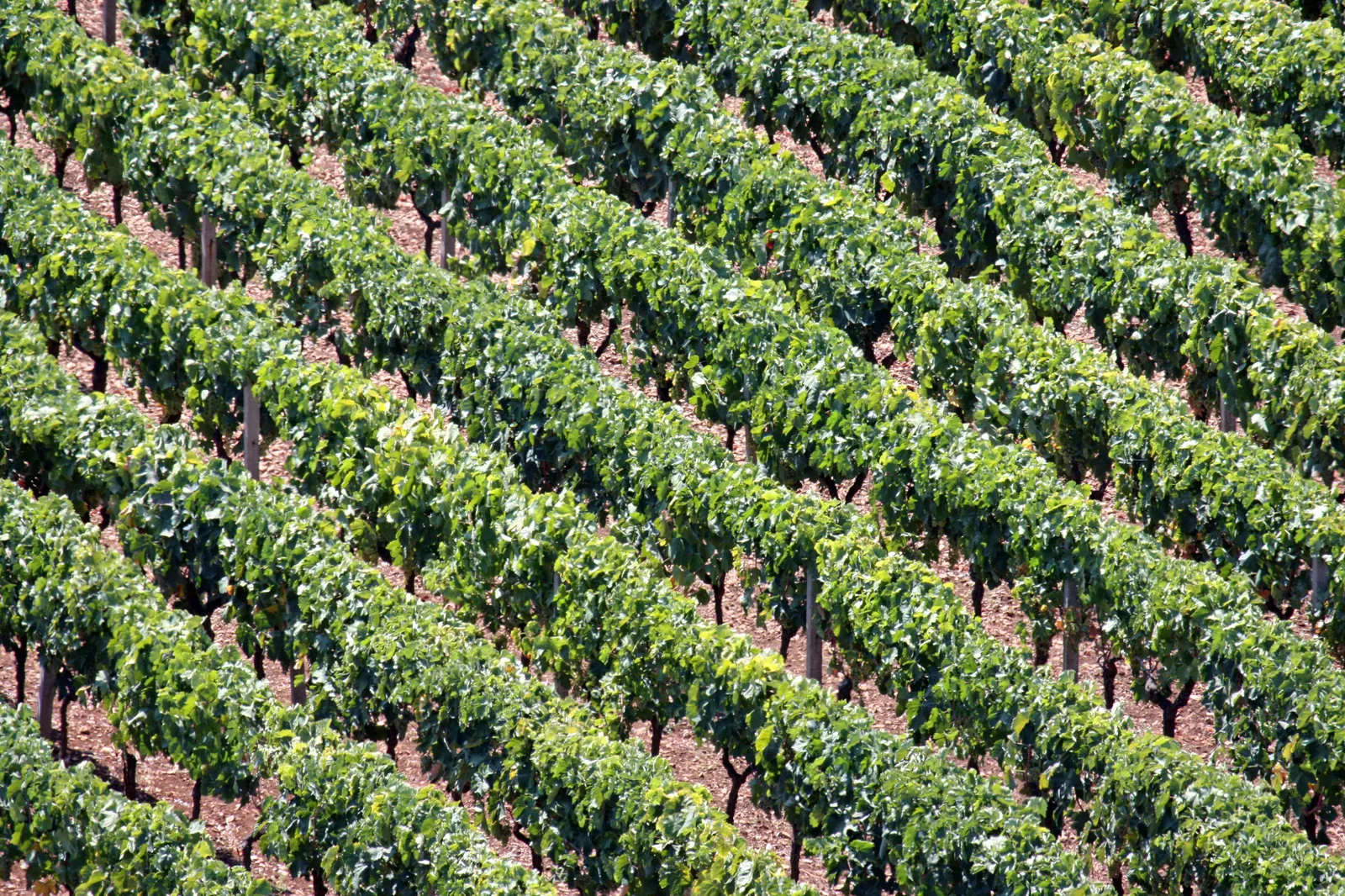
From the white hills above Monopoli to the red earth of Manduria, Puglia is a land of great wines. They come first in our cellar and on our tables: Primitivo, Negroamaro, Nero di Troia, and the bright whites of Locorotondo and Martina Franca.
Appellations around Monopoli, and further south
Puglia has four wines at the highest Italian grade, DOCG — in European law they are protected designations of origin (PDO). Three of them belong to Castel del Monte, on the Murgia north-west of Bari; the fourth is Primitivo di Manduria Dolce Naturale. Around them, a constellation of DOC wines tells the story of the plateau, the Itria Valley and the Salento. Here are the names that matter most from a house in Monopoli.
Locorotondo DOC
The closest white-wine appellation to Monopoli, registered in 1973. The zone covers the communes of Locorotondo and Cisternino, and part of Fasano — a short drive into the Itria Valley. The blend is built on Verdeca (at least 50%) and Bianco d’Alessano (at least 35%); the name may also be used for wines from Verdeca, Bianco d’Alessano or Fiano, and for a sparkling wine and a passito. In the glass it is pale, floral and finely fresh: a wine for the sea, and for the first hours of evening.
Martina or Martina Franca DOC
The sister white of the valley, also registered in 1973, from Martina Franca, Crispiano, Alberobello and part of Ceglie Messapica and Ostuni. Verdeca (50–65%) and Bianco d’Alessano (35–50%) are joined, in small measure, by Fiano, Bombino or Malvasia bianca. There is a sparkling wine as well. These are the same grapes that flavour Capocollo di Martina Franca PGI: the traditional mire cutte, a cooked wine, is made from Verdeca and Bianco d’Alessano as set out in the specifications of Martina and Locorotondo.
Gioia del Colle DOC
Inland from Monopoli, on the limestone plateau of the Murgia, Gioia del Colle is one of the historic homes of Primitivo. The DOC covers red, white and rosé wines; the flagship is Primitivo, grown at a higher elevation than the vineyards of Manduria, with a different rhythm of ripeness. A short journey from the house, and a beautiful way to taste the grape on its own plateau.
Primitivo di Manduria DOC and Dolce Naturale DOCG
Further south, on the Ionian side of the peninsula, Manduria gives its name to two appellations. Primitivo di Manduria DOC is the dry red — generous, sunlit, with the warmth of the grape that ripens early (the name itself speaks of that earliness). Beside it stands Primitivo di Manduria Dolce Naturale, a DOCG reserved for a naturally sweet wine from Primitivo, one of Puglia’s four denominations at this grade. Together they are among the great expressions of the South, and a natural presence on a luxury table in Monopoli.
Castel del Monte DOC and DOCG
On the high Murgia around Frederick II’s castle, west of Bari, Castel del Monte has been a DOC since 1973. In 2011 three typologies were raised to DOCG: Castel del Monte Bombino Nero (a rosé from at least 90% Bombino Nero), Castel del Monte Nero di Troia Riserva, and Castel del Monte Rosso Riserva. Nero di Troia is the native red of this landscape; the DOC also includes whites and rosés from grapes such as Bombino Bianco, Pampanuto, Aglianico and Chardonnay. The wine road of Castel del Monte links the estates around Andria, Corato and Minervino Murge.
Salice Salentino DOC, and the rosés of the Salento
In the heart of the Salento, Salice Salentino DOC is the classic home of Negroamaro, often blended with Malvasia Nera, in red and rosé. The rosés of this peninsula — pale, savoury, made for a long lunch — are one of Puglia’s most graceful gifts. They sit as naturally beside crudo di mare as beside a ripe tomato and a piece of aged cheese.
Brindisi DOC, Nardò and the neighbouring names
Along the Adriatic and towards the Ionian, Brindisi DOC and Nardò DOC continue the story of Negroamaro in red and rosé, with the light of the coast in the glass. Nearby denominations such as Copertino and Leverano belong to the same family of Salento wines. For a guest staying in Monopoli they are an easy and beautiful excursion south, after Brindisi or along the wine roads of the peninsula.
Estates we watch with pleasure
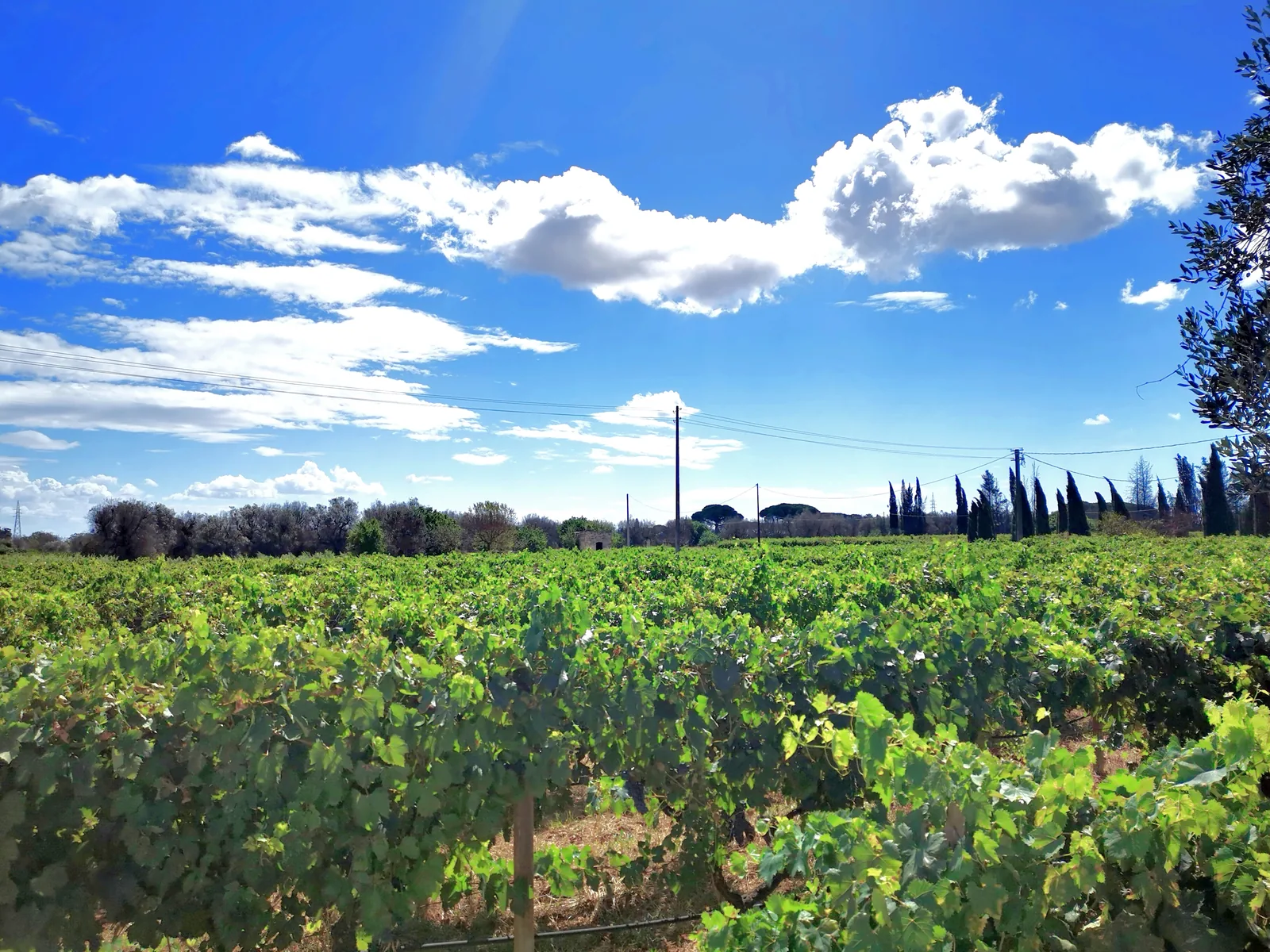
A curated list of fifteen producers, from the Itria Valley and the Gioia del Colle plateau — the closest to Monopoli — to Castel del Monte and the Salento. Official websites are listed below; where the estate itself presents visits and tastings, we note it. Appointments are the graceful way, especially in season. This is not an exhaustive ranking, simply a cellar’s view of houses that honour the place.
- I PàstiniLocorotondo, Itria Valley — Verdeca and the whites of the DOC. Visits and tastings, by appointment.
- Cardone ViniLocorotondo — a family estate in the white-wine country of the valley. Cellar visits and tastings, by appointment.
- Cantina MIRLocorotondo — a contemporary winery in the Itria Valley, with wine experiences and tastings presented on the estate site.
- Cantine PolvaneraGioia del Colle — Primitivo on the Murgia plateau. Tours and tastings at the cellar.
- FataloneGioia del Colle — the Petrera family’s organic Primitivo, with tastings at the estate.
- PietraventosaGioia del Colle — Primitivo and the many expressions of the plateau.
- RiveraAndria, Castel del Monte — a historic interpreter of Nero di Troia and the wines of the castle.
- TormarescaBocca di Lupo at Minervino Murge, and Masseria Maime in the Salento — two estates, one house, between Castel del Monte and the peninsula.
- Leone de CastrisSalice Salentino — among the historic houses of the Salento, since 1665. The estate presents a wine museum, tours and tastings.
- CanteleGuagnano, Salento — Negroamaro and the wines of the peninsula. Guided visits and tastings at the estate.
- Masseria Li VeliCellino San Marco — an estate among the olive trees of the Brindisi plain. Visits and tastings.
- Tenute RubinoBrindisi — the wines of the Adriatic Salento. Cellar tours and tastings.
- MorellaManduria — Primitivo, farmed with care in the classic zone of the DOC.
- Gianfranco FinoManduria — a precise, sought-after reading of Primitivo. The estate presents wine experiences, by appointment.
- Cantine San MarzanoSan Marzano di San Giuseppe — Primitivo and the wines of the Manduria hinterland, in a cooperative with a long local root.
At the table
Puglia is generous to a cellar that thinks of food first.
- Capocollo di Martina Franca PGI — smoked over fragno oak and brushed with mire cutte. A glass of Locorotondo or Martina Franca, made from the same grapes, is a conversation within the valley; a Gioia del Colle Primitivo holds the richness of the meat with ease.
- Burrata di Andria PGI — cream and freshness. A Salento rosato, or a young Locorotondo, keeps the palate bright.
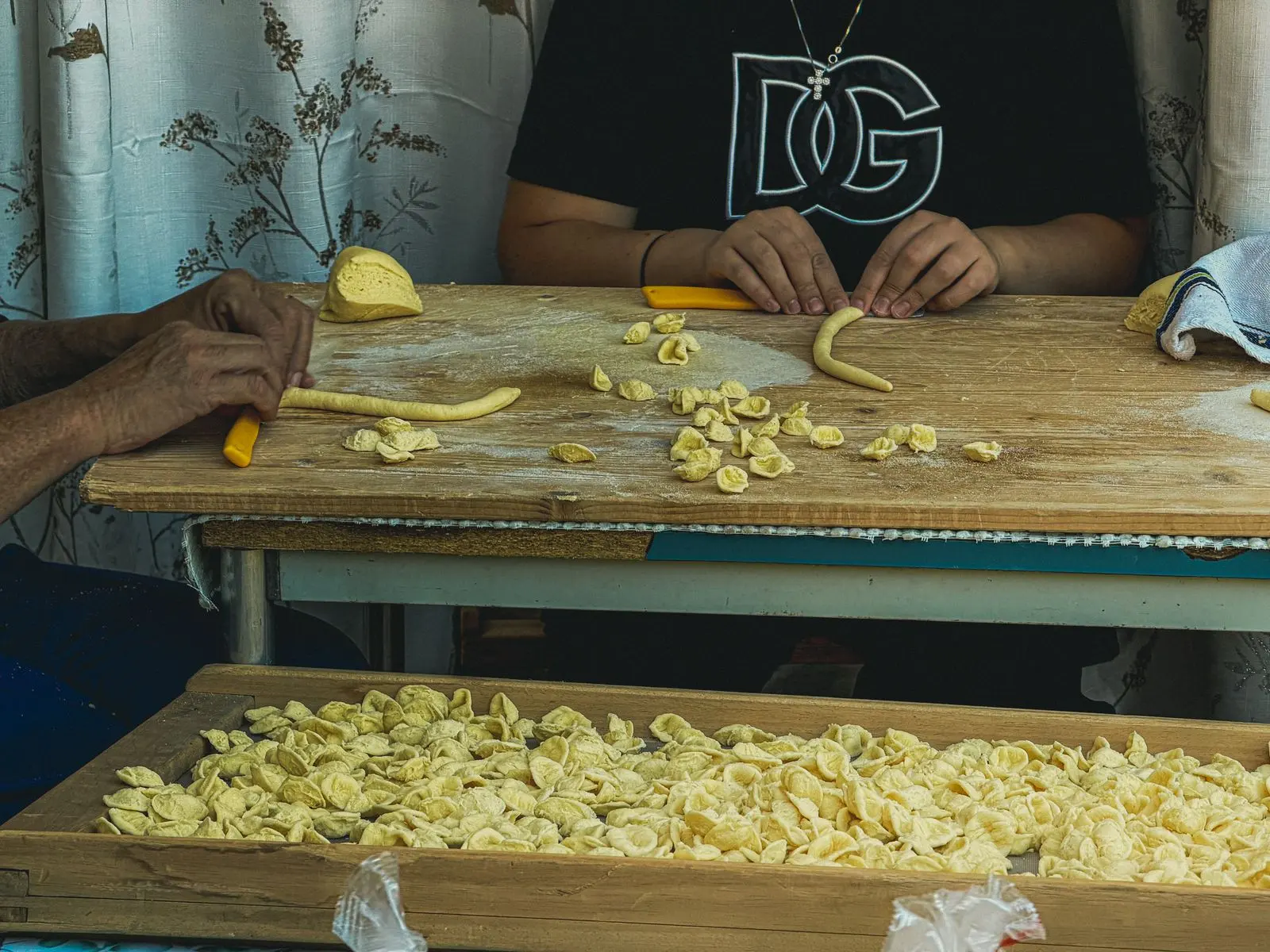
- Orecchiette, with turnip tops or a simple sauce of tomato and oil — Primitivo, Negroamaro, or a Castel del Monte red, according to the depth of the dish.
- Crudo di mare and the catch of Monopoli’s port — the whites of the Itria Valley, or a fine, savoury rosato from the Salento.
The oils of Terra di Bari PDO and the salumi and cheeses of the region belong at the same table.
From Burgundy and Champagne
The founders are hoteliers with twenty years of experience in ultra-luxury hospitality, and their roots are in Burgundy. For guests who wish to find that heritage at the table, the house keeps a small, carefully chosen cellar: grands crus and premiers crus of the Côte de Nuits and the Côte de Beaune, and grower Champagnes — wines of the people who grow the grapes. They sit beside the wines of Puglia, never in their place. The first glass we pour is a wine of this land.
To taste these wines in Monopoli, or to ask us to prepare a bottle for your arrival, write to us at info@apuliapura.com. Two private residences are taking shape here; a hotel and, in time, a palazzo will follow, if our guests so wish.
Please enjoy responsibly. Wine is intended for adults of legal drinking age. Drinking alcohol to excess is harmful to health.
Useful links
- Movimento Turismo del Vino Puglia — the regional association for wine tourism, with member estates and events
- Movimento Turismo del Vino — the national movement
- Consorzio di Tutela del Primitivo di Manduria DOC e DOCG
- Strada dei Vini DOC Castel del Monte — the wine road of the castle
- Regione Puglia — Produzioni di qualità — official pages for the region’s denominations
- eAmbrosia — the European Union’s register of geographical indications
- Viaggiare in Puglia — the official tourism portal of the Puglia Region (Puglia Promozione)
- Salumi and protected names — Capocollo di Martina Franca PGI, cheeses and oils
- Terra di Bari PDO olive oil — what the Monopoli label means
Sources
- Regione Puglia — Locorotondo DOP (registration 18 September 1973; grapes and zone)
- Regione Puglia — Martina or Martina Franca DOP (registration 18 September 1973; grapes and zone)
- MASAF, Elenco alfabetico dei vini DOP italiani, update 18 March 2026 — Puglia’s DOC and DOCG, including the four DOCG: Primitivo di Manduria Dolce Naturale; Castel del Monte Bombino Nero; Castel del Monte Nero di Troia Riserva; Castel del Monte Rosso Riserva
- Regione Puglia open data, Elenco prodotti vitivinicoli DOP e IGP (resource published 6 November 2025) — typologies, grapes and zones
- OJ C/2026/3344, 22 June 2026 — single document of the application for ‘Capocollo di Martina Franca’ PGI, including mire cutte from Verdeca and Bianco d’Alessano
- Estate visit pages, consulted 26 November 2026: I Pàstini, Cardone, Polvanera, Masseria Li Veli, Tenute Rubino, Cantele (iSensi), Leone de Castris (wine museum), and the official sites of Cantina MIR, Fatalone and Gianfranco Fino
Information checked on 26 November 2026. All times and seasons are those of Italy (Europe/Rome).